The Matrix for Organoid Culture is a specialized extracellular matrix (ECM) designed to support the growth and maintenance of organoids in vitro. This matrix is phenol red-free and LDEV (Lactate Dehydrogenase-Elevating Virus)-free, making it an ideal choice for sensitive cell cultures where minimal interference and contamination risk are crucial. The matrix provides an optimal environment for the three-dimensional (3D) growth of cells, enabling the formation of complex, multicellular structures that closely mimic in vivo conditions.
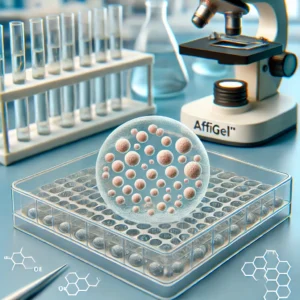
Key Features of the AffiGEL® Matrix
- Phenol Red-Free: The absence of phenol red, a common pH indicator in cell culture media, ensures that there is no interference with optical assays or any potential estrogenic effects. Phenol red-free matrices are particularly beneficial in hormone-responsive assays, such as those involving breast or prostate cancer cells. Resources from the National Cancer Institute (NCI) provide further insights into the benefits of using phenol red-free environments in hormone-related research.
- LDEV-Free: Being free from Lactate Dehydrogenase-Elevating Virus (LDEV) reduces the risk of viral contamination in sensitive cultures. This feature is especially critical for maintaining the integrity and reproducibility of long-term organoid cultures. The Centers for Disease Control and Prevention (CDC) offers comprehensive guidelines on maintaining contamination-free environments in cell culture labs.
- Optimized for Organoid Culture: The AffiGEL® Matrix is designed to mimic the natural extracellular environment, providing a scaffold that supports the differentiation and growth of cells into organoids. Organoids are three-dimensional cell structures that replicate much of the complexity of real organs, making them invaluable for studying tissue development, disease modeling, and drug testing. The National Institutes of Health (NIH) provides extensive resources on the use of organoids in biomedical research.
Applications in Biomedical Research
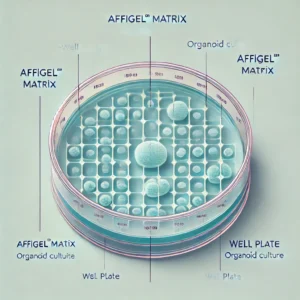
Organoids have become a powerful tool in various fields of biomedical research, including cancer, neurobiology, and regenerative medicine. The AffiGEL® Matrix is particularly suited for the following applications:
- Cancer Research: Organoids derived from patient tumors can be cultured using the AffiGEL® Matrix to study tumor behavior, metastasis, and drug response in a controlled environment. This application is crucial for developing personalized medicine approaches, as discussed in resources from the National Cancer Institute (NCI).
- Neuroscience: The matrix supports the growth of brain organoids, which are used to model neurological development and diseases such as Alzheimer’s and Parkinson’s. The ability to create a 3D model of the human brain allows researchers to study complex neural networks and disease mechanisms in unprecedented detail. Information on the use of brain organoids in research can be found at the National Institute of Neurological Disorders and Stroke (NINDS).
- Regenerative Medicine: The matrix is also employed in regenerative medicine research, particularly in developing organoid models for kidney, liver, and intestinal regeneration. The National Institute of Diabetes and Digestive and Kidney Diseases (NIDDK) provides protocols and guidelines for using organoid cultures in studying kidney and liver diseases.
Advantages of Using AffiGEL® Matrix
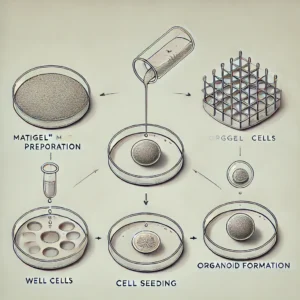
- Consistency and Reproducibility: The AffiGEL® Matrix is formulated to provide a consistent environment that enhances the reproducibility of organoid cultures across different experimental setups.
- Reduced Contamination Risk: By being LDEV-free and phenol red-free, the matrix reduces the risk of contamination and unwanted interactions, crucial for maintaining the integrity of sensitive cultures.
- Enhanced Cell Differentiation: The matrix composition promotes the differentiation of stem cells into specialized cells, allowing for the generation of diverse organoid types. The National Center for Biotechnology Information (NCBI) offers extensive databases on stem cell differentiation protocols.
Best Practices for Organoid Culture
When using the AffiGEL® Matrix for organoid culture, it is essential to consider factors such as matrix concentration, cell seeding density, and culture conditions. Optimizing these parameters is vital for achieving high-quality organoid formation and maintenance. Detailed protocols and recommendations are available from the NIH and the U.S. Department of Health and Human Services (HHS), which provide valuable insights into best practices for organoid culture.
Conclusion
The AffiGEL® Matrix for Organoid Culture, being phenol red-free and LDEV-free, offers a reliable and contamination-free platform for culturing organoids. Its optimized composition supports various biomedical research applications, from cancer to neuroscience and regenerative medicine. Researchers can benefit from the detailed protocols and resources available on academic and governmental websites such as PubMed and Grants.gov to fully leverage this advanced tool in their studies.