Poly-L-lysine coated 96-well solid plates, specifically those made from white polystyrene (PS), have become a fundamental resource in cell biology and molecular research. These plates are designed to improve cell adhesion, growth, and viability, particularly for delicate or poorly adherent cell types. This article explores the key applications, advantages, and considerations for using these plates, with a focus on their relevance to various research fields.
Understanding Poly-L-Lysine Coating
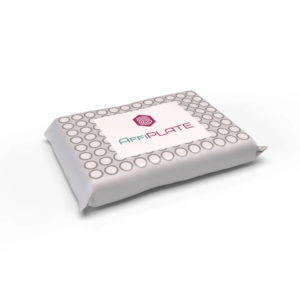
Poly-L-lysine (PLL) is a synthetic amino acid polymer that provides a positively charged surface, enhancing cell attachment and spreading. The importance of cell adhesion in culture studies is highlighted in research from the National Center for Biotechnology Information (NCBI) and the National Institutes of Health (NIH), which provide comprehensive resources on cell biology protocols.
Applications in Neuroscience Research
In neuroscience research, Poly-L-lysine coated plates are widely used for culturing neurons and glial cells. The positively charged surface facilitates the attachment of neurons, which is critical for studies involving neural differentiation and synapse formation. The National Institute of Neurological Disorders and Stroke (NINDS) provides extensive resources on neuronal culture techniques and the role of cell adhesion in neural development.
Cancer Research and Drug Screening
Poly-L-lysine coated plates are also instrumental in cancer research. These plates are used to culture cancer cells for studies on tumor biology, metastasis, and drug response. The enhanced cell adhesion properties allow for more consistent cell growth, which is essential for reliable data in high-throughput drug screening assays. Detailed protocols for using these plates in cancer research can be found on the National Cancer Institute (NCI) website.
Use in Immunoassays
The white polystyrene (PS) construction of these plates makes them particularly suitable for immunoassays, such as enzyme-linked immunosorbent assays (ELISA). The white color enhances signal reflection, improving the sensitivity and accuracy of the assays. The Centers for Disease Control and Prevention (CDC) offers guidelines on immunoassay techniques, including best practices for using coated plates to achieve optimal results.
Advantages in High-Throughput Screening
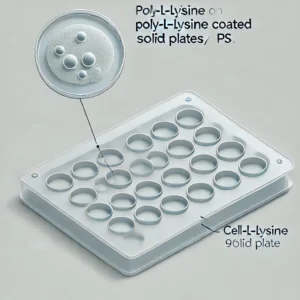
The 96-well format of these plates is ideal for high-throughput screening, allowing for the simultaneous analysis of multiple samples under identical conditions. This is particularly advantageous in pharmaceutical research, where large-scale screening of potential drug candidates is necessary. The Food and Drug Administration (FDA) provides regulations and guidelines for conducting high-throughput screening in drug development.
Role in Stem Cell Research
Stem cell research often requires surfaces that promote robust cell attachment and growth. Poly-L-lysine coated plates are preferred for culturing stem cells, especially when maintaining pluripotency or inducing differentiation. The National Institute of General Medical Sciences (NIGMS) offers detailed resources on stem cell culture and differentiation protocols using poly-L-lysine coated plates.
Enhancing Cell-Based Assays
Cell-based assays are a cornerstone of biomedical research, used to study cellular responses to various stimuli. The uniform coating of poly-L-lysine ensures consistent cell attachment across all wells, which is crucial for reproducibility in assays like cytotoxicity tests and cell proliferation assays. Researchers can find detailed methodologies for these assays on the National Cancer Institute (NCI) and NCBI websites.
Considerations for Use
When using Poly-L-lysine coated plates, researchers should consider factors such as the type of cells being cultured, the desired confluency, and the specific requirements of the assay. It is also essential to ensure that the plates are stored and handled properly to maintain the integrity of the poly-L-lysine coating. Best practices and storage guidelines are available on the NIH and CDC websites.
Future Perspectives
As research continues to advance, the demand for reliable, high-quality cell culture tools like Poly-L-lysine coated plates will only grow. Future developments may focus on enhancing the properties of these coatings to support even more specialized cell types or to improve compatibility with emerging technologies in genomics and proteomics. The U.S. Department of Health and Human Services (HHS) provides insights into ongoing research and future directions in cell culture technology.
Conclusion
Poly-L-lysine coated, 96-well solid plates (White PS) are indispensable in modern biological research, providing a reliable platform for various cell-based studies. Whether used in neuroscience, cancer research, immunoassays, or drug screening, these plates offer enhanced cell adhesion, consistent performance, and compatibility with multiple assay types. For more detailed information and protocols, researchers are encouraged to consult resources from academic and governmental websites, such as PubMed and Grants.gov, to fully leverage these advanced research tools.